
Cutting Down Salt for a Healthier South Africa
An amendment to the Foodstuffs, Cosmetics and Disinfectants Act sets maximum sodium levels for bread and other foods from 2016, and bakers must find alternatives to salt.
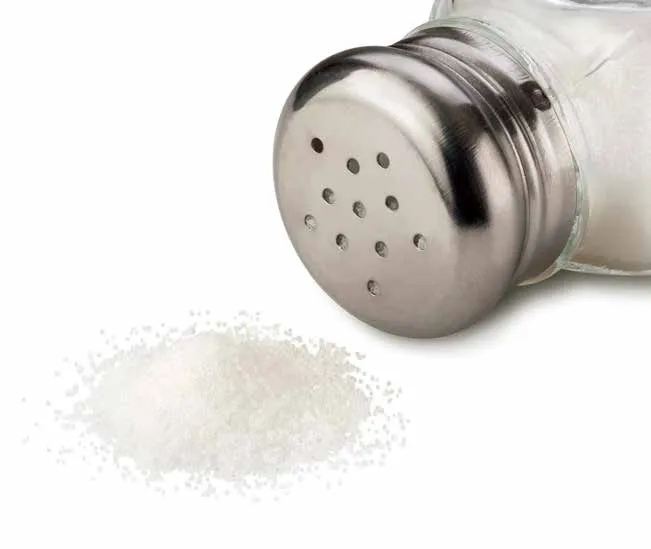
The food industry as well as the population of South Africa are about to undergo a drastic change in the shape of the sodium reduction act. South Africa’s Minister of Health Aaron Motsoaledi signed an amendment to Foodstuffs, Cosmetics and Disinfectants Act of 1976 on March 18 2015.
This Act stipulates that there would be a maximum amount of sodium allowed in foods such as bread, butter, breakfast cereals, potato crisps, ready-to-eat snacks, processed meat, sausages, soup powder, gravy powder, two-minute noodles, stock cubes and jelly. The reduction of sodium will take place in two stages the first reduction will take place as early as 2016, with the aim of a complete sodium reduction by 2019.
A loaf of bread, for example, which currently contains 4.8% sodium will be reduced to containing 4% in 2016 and down to 3.8% by 2019.
The reason for this change is due to a bid by the Health Department to cut down on diseases linked to high salt intake. South Africans currently consume twice the recommended amount of salt per day. These include diseases such as high blood pressure, strokes, heart attacks and vascular dementia.
The Health Department has reasons so be concerned since the statistics of the year 2000 show that almost 34 000 people died from strokes and nearly 17 000 died from hypertensive disease. The Heart and Stroke Foundation confirmed these findings by admitting that approximately 130 South Africans suffer heart attacks and approximately 240 have strokes every day, making strokes the third leading cause of death in South Africa.
Unfortunately consumers are wary of low sodium products believing that low sodium means bland tasting. The Consumer Goods Council of South Africa also voiced their concern that these changes will have a large impact on the cost of products as well as decreasing the shelf life of products. What this will mean is that the price of food will escalate. Salt is great for preserving, enhancing flavour and not to mention it’s cheap. Finding a good alternative is part of the Consumer Goods Councils’ concern.
Nevertheless by decreasing the populations salt intake by 0.85 grams will save 7 500 lives per year and save the Health Department up to R300-million a year.
For the baking industry this poses a real challenge, since baking requires sodium not only for taste, but also as a raising agent. Alternatives are available such as low- and no-sodium baking powders which decrease the sodium content of muffins, cakes and other baked goods by 50-100%, by making use of potassium bicarbonate and calcium based salts instead.

Salt in yeast-raised baked foods enhances flavour, limits microbial activity, holds back undesirable microorganisms whilst favourably regulating yeasts’ growth rate and strengthening gluten. Mineral salt is the way to go for yeast substituting sodium with either potassium chloride, magnesium chloride or even sea salt. Sea salt does contain sodium, but the high mineral content of the salt reduces the sodium making it a good alternative.
All of these will need to be experimented with carefully to see which product works best for what. Potassium Chloride has been known to affect the flavour, making it taste slightly bitter if too much is added.
It is not only the food industry that has to change, but the public needs to be educated as well. According to the World Health Organisation your daily intake of salt should be no more than 5g, which is one teaspoon. However studies show that South Africans eat as much as 40g of salt a day.
This will be one of the main challenges, to create public awareness of the consequences of an excess of sodium. After all reducing sodium quantities will have to take place at the home as well, which means not reaching for the salt shaker as much anymore.
More stories
More Food Safety →
Audit Ready!
What a third-party hygiene audit of your bakery covers, and how to prepare for one.

Dave Collier: An interview with Spar’s National Bakery Manager
We talk to Dave Collier, SPAR’s National Bakery Manager, to find out how became a baker, what interesting products have been launched at SPAR, as well as why he loves baking.

Anchor Yeast brightens the lives of more than 100 pre-school children
Anchor Yeast has completed new classrooms, toilets, a kitchen and an office for the Hope Early Development Centre in Diepsloot, Johannesburg.